 Largest Ceiling
  CALL :
  About us
 FAQs
FAQs Gallery
 Contact


 Ceiling Planks
 2×2 PVC Ceiling Tiles
 Styrofoam Ceiling Tiles
 Wall Mural
 3D Wall Panels
 Crown Moldings
 Faux Wood Beams
 Other Products
Styrofoam vs PVC Ceiling Tiles: Which Is Right for Your Room? (2026)
Quick Answer (Overview): When comparing styrofoam vs pvc ceiling tiles, your final choice depends entirely on room moisture levels. Styrofoam is incredibly budget friendly and perfect for dry areas like living rooms or bedrooms. Polyvinyl chloride is fully waterproof and highly durable, making it the superior choice for kitchens, bathrooms, and commercial spaces. Both options allow for an easy glue up installation that takes only a few hours.
The fastest way to refresh a tired room is to glue a decorative tile straight over the old drywall. You can completely bypass the mess of a massive demolition project. However, choosing between styrofoam vs pvc ceiling tiles can feel a bit confusing at first glance.
Both materials look absolutely fantastic from across the room. They behave very differently when you start cooking, taking a hot shower, or lifting them onto the ceiling. I have shipped thousands of these products and answer questions about them every single week.
This guide breaks down the exact trade offs you need to know. We will cover costs, installation difficulty, and exactly where each material belongs in your house.
What Are The Main Differences Between Styrofoam And PVC?
Styrofoam ceiling tiles consist of expanded polystyrene foam. This is the exact same family of material as a takeaway coffee cup, but it is pressed into a dense, rigid panel about three eighths of an inch thick. They feel very light, take paint beautifully, and remain warm to the touch.
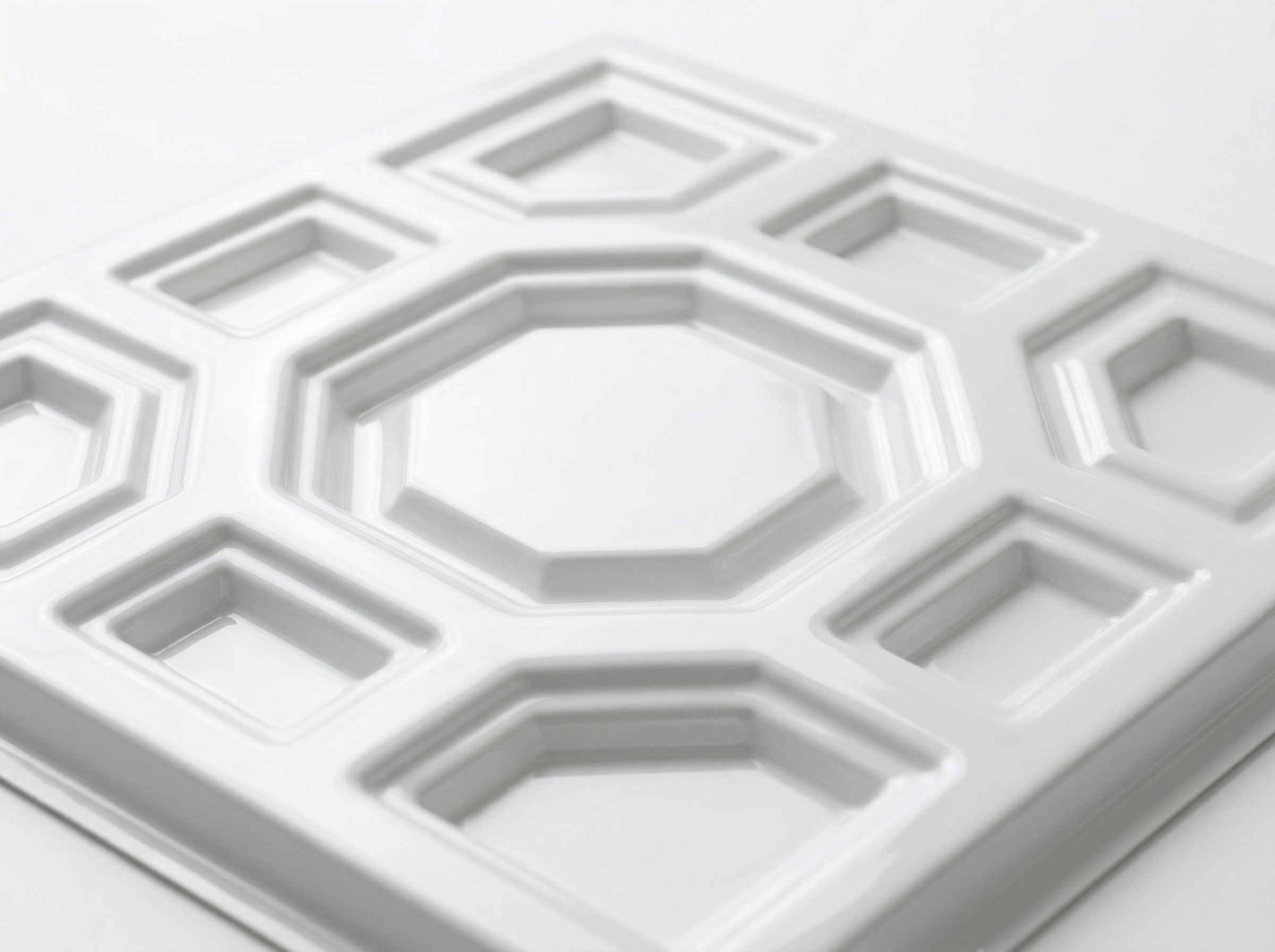
PVC ceiling tiles are vacuum formed from polyvinyl chloride plastic sheets. These panels are much thinner, usually sitting at about one thirty second to one sixteenth of an inch thick. They are slightly heavier per panel and feel cold to the touch like any solid plastic.
Both materials commonly come in twenty by twenty inch and twenty four by twenty four inch squares. They ship completely flat and stack neatly inside a closet until your installation day arrives.
| Feature | Styrofoam | PVC |
|---|---|---|
| Material Thickness | 3/8 inch | 1/32 to 1/16 inch |
| Water Resistance | Low (Absorbs moisture) | High (Fully waterproof) |
| Finish Type | Soft, matte finish | Glossy or matte options |
How Much Do Styrofoam Vs PVC Ceiling Tiles Cost?
Figuring out your budget for styrofoam vs pvc ceiling tiles is surprisingly straightforward. The sticker price is the first major area where these two distinct materials split.
Styrofoam tiles typically run roughly one to four dollars per piece. This works out to about forty cents to a dollar fifty per square foot for the actual material. PVC tiles sit higher on the budget scale, running roughly four to nine dollars per panel.
You should also budget about seventy five cents per square foot for construction adhesive across either option. For a standard ten by twelve foot room, styrofoam will cost roughly seventy to two hundred dollars total. The same room fully covered in PVC will cost two hundred to four hundred dollars.
- Budget Tip: Always order ten percent more material than your raw square footage requires.
- Why Extra Matters: Perimeter wall cuts and occasional installation mistakes will eat into your total tile count quickly.
- Time Saver: Returning four extra tiles is much cheaper than halting your weekend project to order one single replacement box.
Which Material Is Easier To Install?
Both materials are incredibly simple to work with. You can completely skip building a complex metal drop ceiling grid.
You just spread adhesive on the back, press the panel against a clean ceiling, and hold it firmly for ten seconds. A small room takes roughly two or three hours to finish. However, the materials handle quite differently during the cutting phase.
- Cutting Process: Styrofoam ceiling tiles cut perfectly clean with a sharp utility knife or heavy duty scissors. PVC requires a fine tooth saw blade or strong tin snips to prevent jagged edges.
- Material Forgiveness: Styrofoam dents permanently if you press too hard with your thumbs. PVC bounces back from light pressure but can crack if you bend it tightly in half.
- Handling Uneven Ceilings: Styrofoam gently follows the small bumps on heavily textured ceilings. PVC remains rigid and bridges across uneven bumps beautifully.
Are PVC Ceiling Tiles Waterproof?
Moisture resistance is the ultimate deciding factor for most home renovation projects. Styrofoam naturally absorbs moisture, expands, and will yellow over time if exposed to heavy steam.
We absolutely do not recommend putting styrofoam directly above a hot stove or inside a bathroom with poor exhaust ventilation. PVC is completely waterproof and ignores heavy room humidity entirely.
You can wipe PVC panels down with a damp soapy cloth anytime. You can install it directly above a master shower, and it will look exactly the same five years from now.
Which Ceiling Tile Looks Best In A Room?
The visual battle between styrofoam vs pvc ceiling tiles comes down entirely to your lighting choices. Styrofoam features a soft matte finish that diffuses harsh light very gently.
Painted styrofoam in a warm white color is almost indistinguishable from a custom plaster ceiling. PVC features a harder, more reflective surface that sometimes reads as plastic under aggressive direct downlights.
Many interior designers intentionally paint PVC tiles after installation to soften the sheen. Under flat ambient lighting, the deep relief patterns matter significantly more than the base material itself.
Where Should You Use Each Material?
Deciding between styrofoam vs pvc ceiling tiles gets much easier once you assign them to specific rooms. Use this simple checklist as your primary starting point for planning.
- Living Rooms and Bedrooms: Styrofoam wins on raw price and visual warmth. Pick a deep relief pattern to maximize the soft finish.
- Dining Rooms: Either material works perfectly. Choose PVC if you want a glossier, highly dramatic look under a bright chandelier.
- Kitchens: You must choose PVC. Cooking grease and boiling water steam will ruin styrofoam very quickly.
- Bathrooms: Always pick PVC. Even with fantastic exhaust ventilation, a styrofoam tile placed directly above a shower will eventually warp.
- Commercial Spaces: PVC is mandatory here. Professional maintenance crews can wipe it down with strong cleaning chemicals without melting the intricate designs.
Save this information as a one page PDF and keep it handy while you shop or plan your weekend installation.
How Long Do Glue Up Ceiling Tiles Last?
Under normal interior conditions, both of these materials will easily last ten years and often exceed twenty. Direct daily sunlight hitting PVC can sometimes yellow it slightly over the span of a decade.
Heavy cooking grease will shorten the lifespan of styrofoam dramatically. If you keep the materials in standard, climate controlled living spaces, longevity is never a major concern.
Both materials will expand and contract slightly with seasonal temperature swings. We highly recommend caulking the outer perimeter of your room with a flexible white painter caulk to hide this tiny movement completely.