 Largest Ceiling
  CALL :
  About us
 FAQs
FAQs Gallery
 Contact


 Ceiling Planks
 2×2 PVC Ceiling Tiles
 Styrofoam Ceiling Tiles
 Wall Mural
 3D Wall Panels
 Crown Moldings
 Faux Wood Beams
 Other Products
One of the most certain ways to make a room feel stylish and inviting, full of character, is by adding texture to your walls. A flat, unadorned wall can feel cold or unfinished, but layering different materials provides depth, interest, and a sense of design sophistication.
Why Texture Matters in Your Home
Texture is more than a visual element; it’s tactile. It can completely change the dynamic in a room: whereas a smooth, painted wall may provide a neutral or even minimalist feel, adding panels or stone brings dimension and character to the space.
When layering textures, consider the following points:
- Start with one dominant texture to anchor the room. This could be a 3D wall panel in either geometric or patterned design.
- Additional texture can be added by incorporating contrasting textures, such as faux stone or brick, for natural variation and depth.
- Use paint as the unifying element; it can enhance the textures, accentuate details, and ensure that the design feels cohesive.
This keeps your walls feeling intentional, not cluttered, and creates a space that looks balanced and polished.
Step 1: Start with a Base Layer of Wall Panels
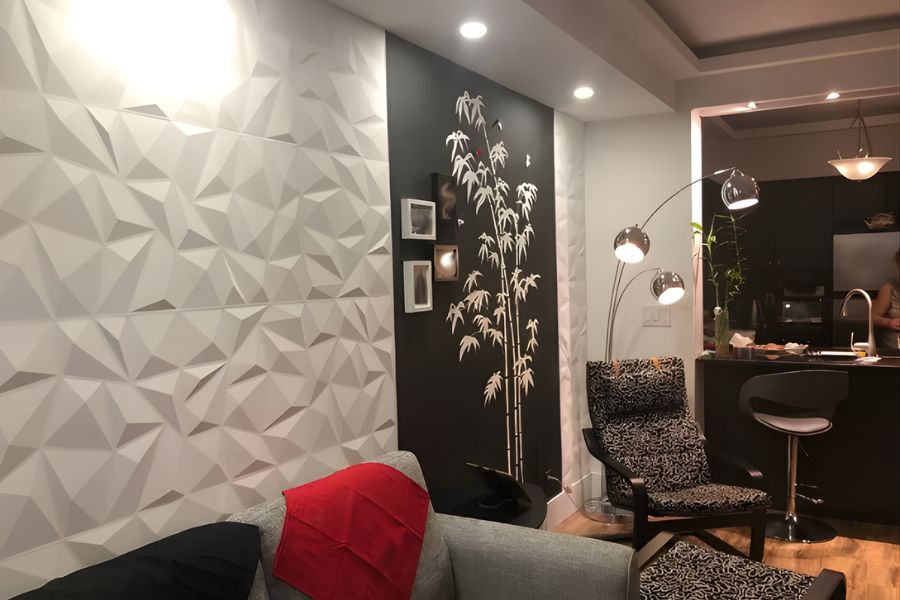
Wall panels are a versatile starting point for layering textures. High quality 3D wall panels, in particular, can create structure and interest, and they are suitable for a variety of design styles.
How to use panels effectively:
- Choose a feature wall, such as behind a sofa, bed, or fireplace, for installation.
- Select a pattern and color that complements your overall room design. Neutral colors are often the most versatile because they allow future layers to stand out.
- Pay attention to alignment so patterns appear seamless. Panels with geometric designs work well for creating a continuous visual flow.
- Paint can be applied to panels to match your color scheme or highlight the 3D effect, adding subtle depth.
By starting with a strong base layer, you set the foundation for all subsequent textures, ensuring that your wall has a cohesive and intentional design.
Step 2: Introduce a Secondary Texture
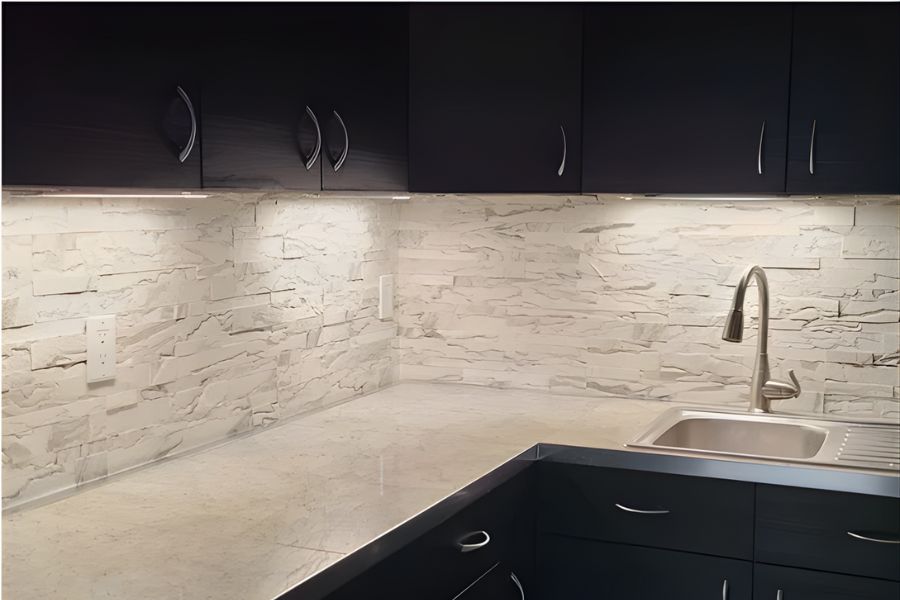
Once your panels are in place, adding a secondary texture like faux stone or brick introduces natural variation and depth. This layer creates a focal point that draws the eye and adds interest without overwhelming the space.
Tips for working with stone or brick panels:
- Use the secondary texture on a single wall or section of a wall rather than covering the entire room. This maintains balance and prevents the space from feeling heavy.
- Consider peel-and-stick or lightweight stone panels for easy installation. These options allow you to experiment with layering without requiring extensive construction.
- Pay attention to alignment and pattern to keep the finish realistic and visually pleasing.
The contrast between smooth 3D panels and textured stone creates a sophisticated look that elevates the entire room.
Step 3: Use Paint to Tie Everything Together
Paint is the final layer that unifies the various textures. A well-chosen color can make your panels and stone feel like part of a single, cohesive design.
Ways to use paint effectively:
- Choose a color that complements the stone or panel base. Light neutral tones often work best to let textures stand out.
- Use paint to highlight the depth of 3D panels, emphasizing shadows and reliefs for added dimension.
- Two-tone or gradient painting techniques can help transition between panel and stone areas, creating a seamless layered look.
By carefully selecting paint colors and techniques, you can pull all your textured elements together in a visually appealing way.
Additional Tips for a Cohesive and Stylish Look
- Keep the number of textures limited – three layers (panels, stone, and paint) are usually sufficient.
- Make sure your color palette is consistent across all layers for a harmonious feel.
- Natural light or accent lighting can dramatically enhance textures by creating shadows and highlights.
- Match the scale of textures to your room. Large panels or oversized stone can overwhelm smaller spaces, while smaller textures may be lost in a large room.
Thinking about these details helps ensure that your layered wall design feels intentional and balanced.
Bringing Your Walls to Life
Many home decor options are available to make experimenting with textures easier. By combining these elements thoughtfully, you can transform ordinary walls into layered, engaging surfaces that bring depth, personality, and warmth to your home. Contact us to start bringing your walls to life.

Written by
Elena V.
Home styling writer specializing in texture, color, and decorative surface treatments
Elena writes about the visual and tactile elements of home design, with a particular interest in how surface textures and patterns transform interiors. She covers everything from choosing the right ceiling tile for a specific aesthetic to mixing wall panel materials for layered, editorial-quality looks.