 Largest Ceiling
  CALL :
  About us
 FAQs
FAQs Gallery
 Contact


 Ceiling Planks
 2×2 PVC Ceiling Tiles
 Styrofoam Ceiling Tiles
 Wall Mural
 3D Wall Panels
 Crown Moldings
 Faux Wood Beams
 Other Products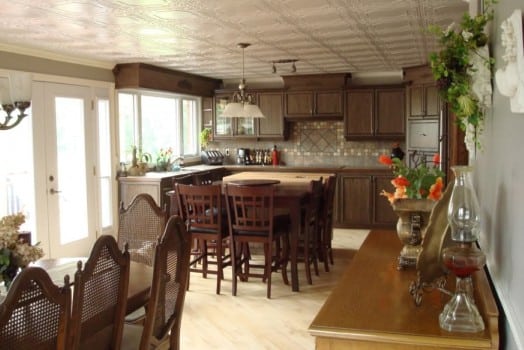
Popcorn ceilings were incredibly popular from the late 1950s to the 1980s across North America. Often referred to as cottage cheese ceilings stucco ceilings or acoustic ceilings this textured surface was favored by builders for its ability to quickly cover up structural drywall imperfections. Dirt and other flaws remain far less noticeable on a heavily textured surface compared to a perfectly flat one.
Depending on the specific decade when your building was constructed or renovated you could find a variety of harmful substances hidden within this textured layer. One highly dangerous substance commonly used in old popcorn ceilings is asbestos. There are severe respiratory health risks associated with inhaling these microscopic fibers if you attempt scraping or removing it yourself. 
The paint that coats the acoustic ceiling can also cause massive headaches during renovations. When scraping the texture you need water to help loosen the particles. However thick layers of paint prevent moisture from penetrating the surface basically acting as a waterproof protective shield. This makes the removal process grueling and exceptionally messy.
Instead of dealing with the hassle of sending samples to a laboratory for asbestos testing or enduring days of grueling messy work there is a much safer and easier alternative Styrofoam ceiling tiles.
The Best Quality Styrofoam Tiles Available Today
When applying Styrofoam or polystyrene decor directly over an old acoustic surface you hardly need to do any preparation work at all. You simply calculate the number of tiles you need alongside the appropriate foam safe adhesive. Begin your project by removing any light fixtures safely and determining the exact midpoint of the room. Mark your installation lines using a chalk reel. This handy tool creates a perfectly straight guide from one end of the room to the other ensuring your first row of ceiling tiles is perfectly aligned.
Once your layout is planned apply the adhesive as directed and press the center tile firmly into place. Continue adding the rest of your pieces until the entire area is beautifully covered. If you need to trim or cut any styrofoam edges it remains significantly safer than battling a crumbling textured surface. You completely avoid exposure to dangerous falling debris and polystyrene is incredibly easy to cut to size using a standard box cutter.
Frequently Asked Questions
Is it safe to cover an asbestos ceiling
Yes encapsulating the texture by gluing lightweight panels directly over it is widely considered the safest DIY method because it does not disturb the hazardous fibers.
To recap Styrofoam decor can be applied quickly to any flat or textured surface saving you time and protecting your health. They are incredibly lightweight effortless to work with and require no specialized power tools. For the absolute best quality products contact Talissa Decor at 1 888 717 8453. Our professional team is always happy to provide expert guidance for your Canadian or American home upgrade.

Written by
Margaret K.
Home renovation writer with 11 years covering interior design and DIY decor projects
Margaret has spent over a decade writing about home renovation and interior design for Canadian homeowners. She specializes in ceiling and wall treatments, with a particular focus on DIY-friendly solutions that transform spaces without major construction. Her work has appeared in home decor blogs and renovation guides across North America.